Applications
Five assets, five different stacks. The barrier chemistry stays in the family; almost nothing else does.
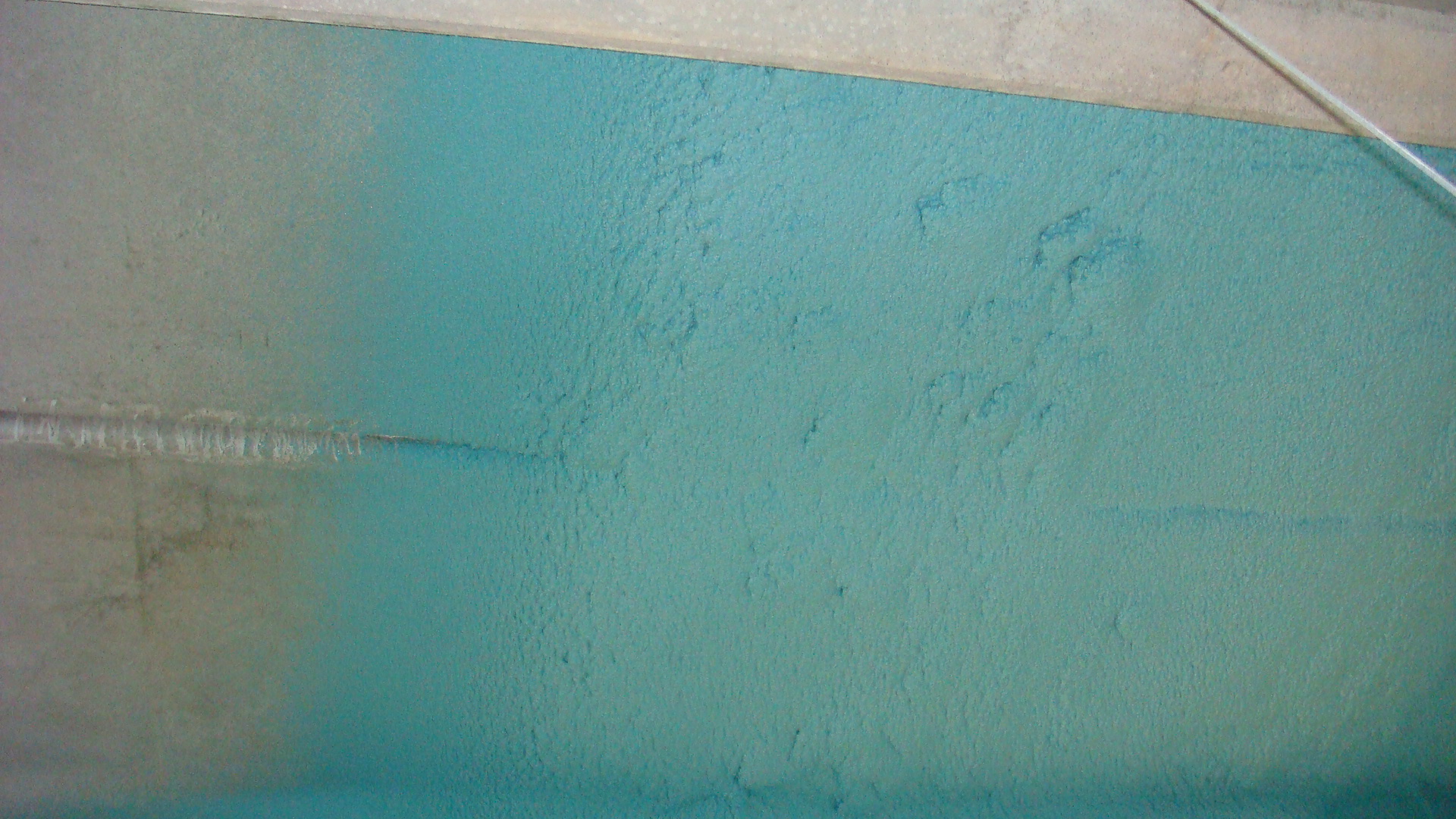
Mixed-Substrate Industrial Assets
A real plant asset is rarely one material. A pump skid has blasted steel, a galvanized enclosure, a concrete housekeeping pad, and a run of previously painted pipe support — four adhesion problems within ten feet of one another.
The systems answer is to normalize with primer rather than to specify four different coatings. 7001 goes on everything except the freshly blasted carbon steel, and then one barrier product covers the whole assembly at one thickness. The result is a single membrane across material boundaries, which is exactly where water would otherwise get in.
System: SP6 on carbon steel / abrade elsewhere → 7001 primer on galvanized, concrete, and painted surfaces → OR93BL 40–60 mil across the whole assembly → no topcoat.
Building Envelopes & Metal Roofs
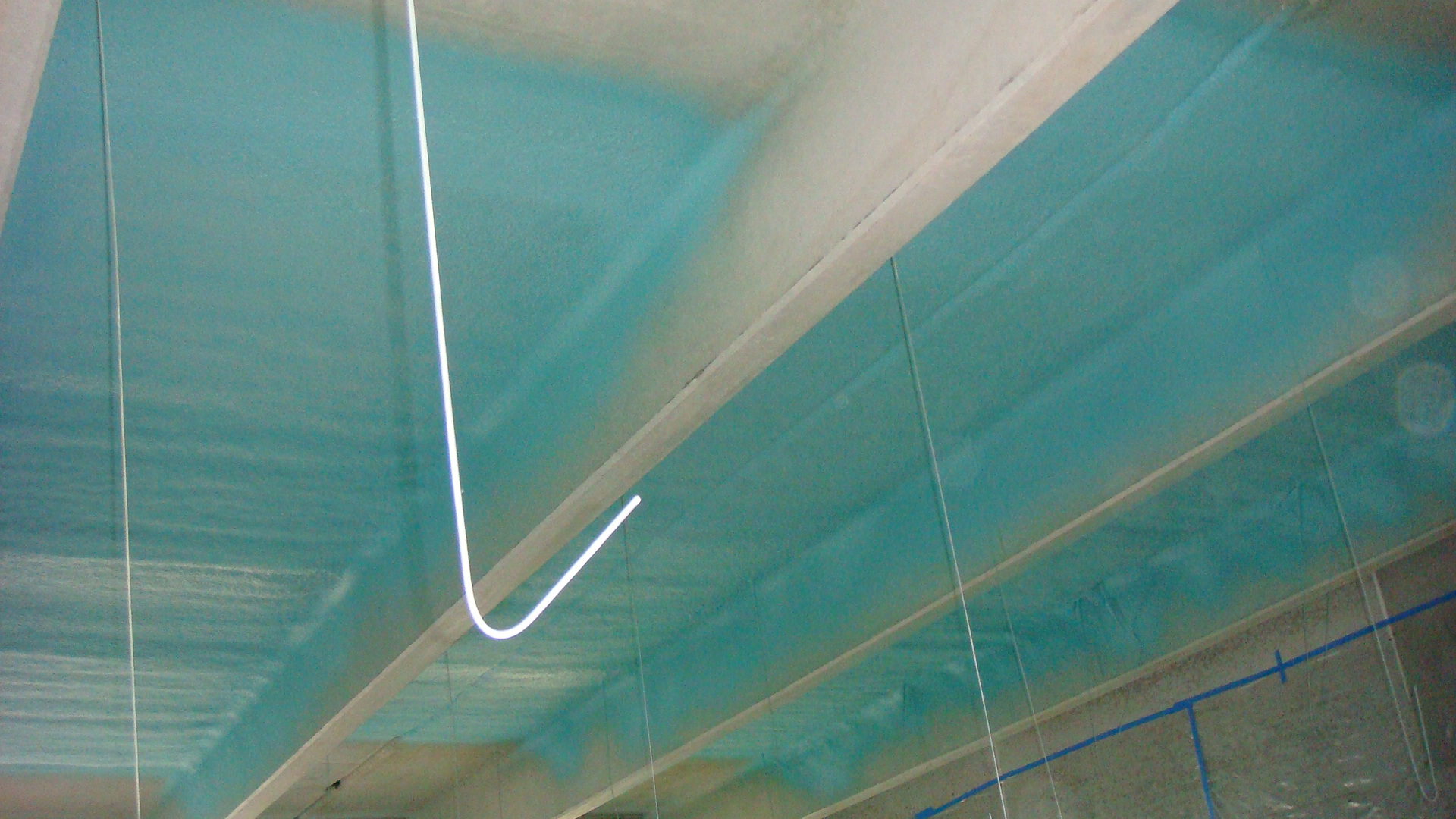
An envelope system has to solve two problems at once: corrosion at the fasteners and laps, and water intrusion through them. Those are usually addressed by two different trades with two different budgets, which is how they end up fighting each other.
Specifying one membrane over the whole envelope resolves both. The primer step is where the detail work lives — laps, seams, fastener heads, and penetrations get 7001 first, then the barrier goes over the field as one continuous film with elongation to absorb thermal cycling.
System: SP3 clean and degrease → 7001 primer at all laps, seams, and fasteners (full-field on galvanized) → OR93BL 40–60 mil, or FJ1 60 mil where crews walk the roof → aliphatic topcoat only if the roof is visible from occupied space.
Tanks, Sumps & Secondary Containment
Containment is the application where the system spec has to be tightest, because the failure mode is regulatory rather than merely expensive. The barrier must be continuous, chemically compatible with the contained product, and verifiable.
Two things distinguish a containment spec from a general one: the DFT goes up substantially, and holiday testing becomes a hold point rather than a nicety. A seamless single-pass membrane is meaningfully easier to test than a multi-coat system, because there is one film with one expected thickness.
Send us the contained chemistry before anything else. Compatibility is not something to assume.
System: SP6 blast on steel / CSP 3–5 on concrete → 7001 primer on concrete → OR93BL 60–100 mil → holiday test at 100V per mil → no topcoat.
Material Handling & Wear Systems
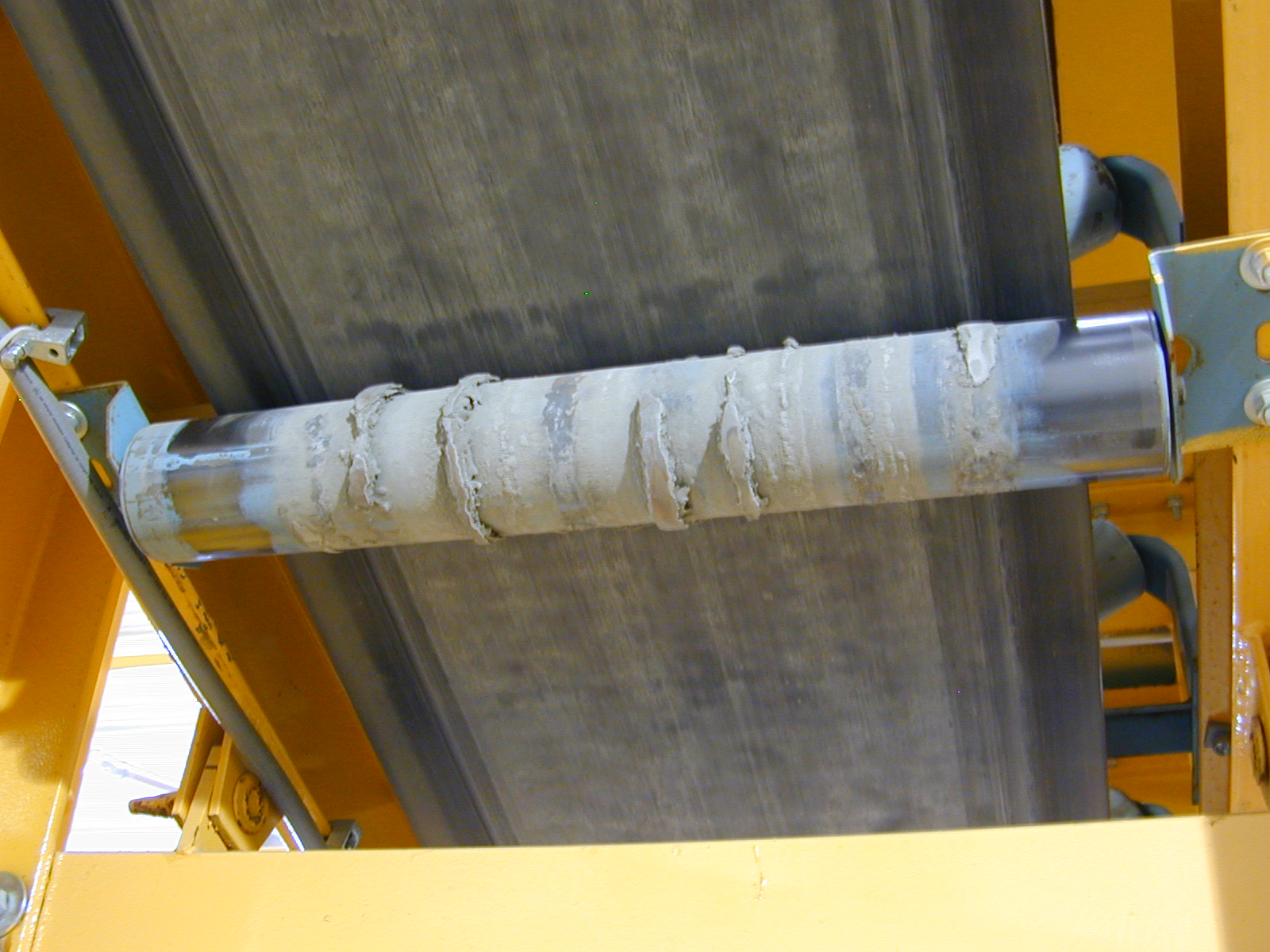
Conveyors are the case where one barrier product across the asset is the wrong answer. Structure needs corrosion protection at moderate thickness; chutes and skirtboards need a sacrificial wear layer three times as thick. Specifying one number for both either wastes material on the frame or under-protects the transfer point.
Because both grades are the same chemistry family, the two zones can be sprayed in one mobilization and they bond to each other at the boundary — no masked joint, no dissimilar-material interface to fail.
System: SP3 or SP6 as access allows → 7001 primer over aged coating → OR93BL 30–40 mil on frames, stringers, walkways; Flak Jacket Pro 80–120 mil on chutes, skirts, transfer points → no topcoat.
Fleet, Trailer & Deck Systems
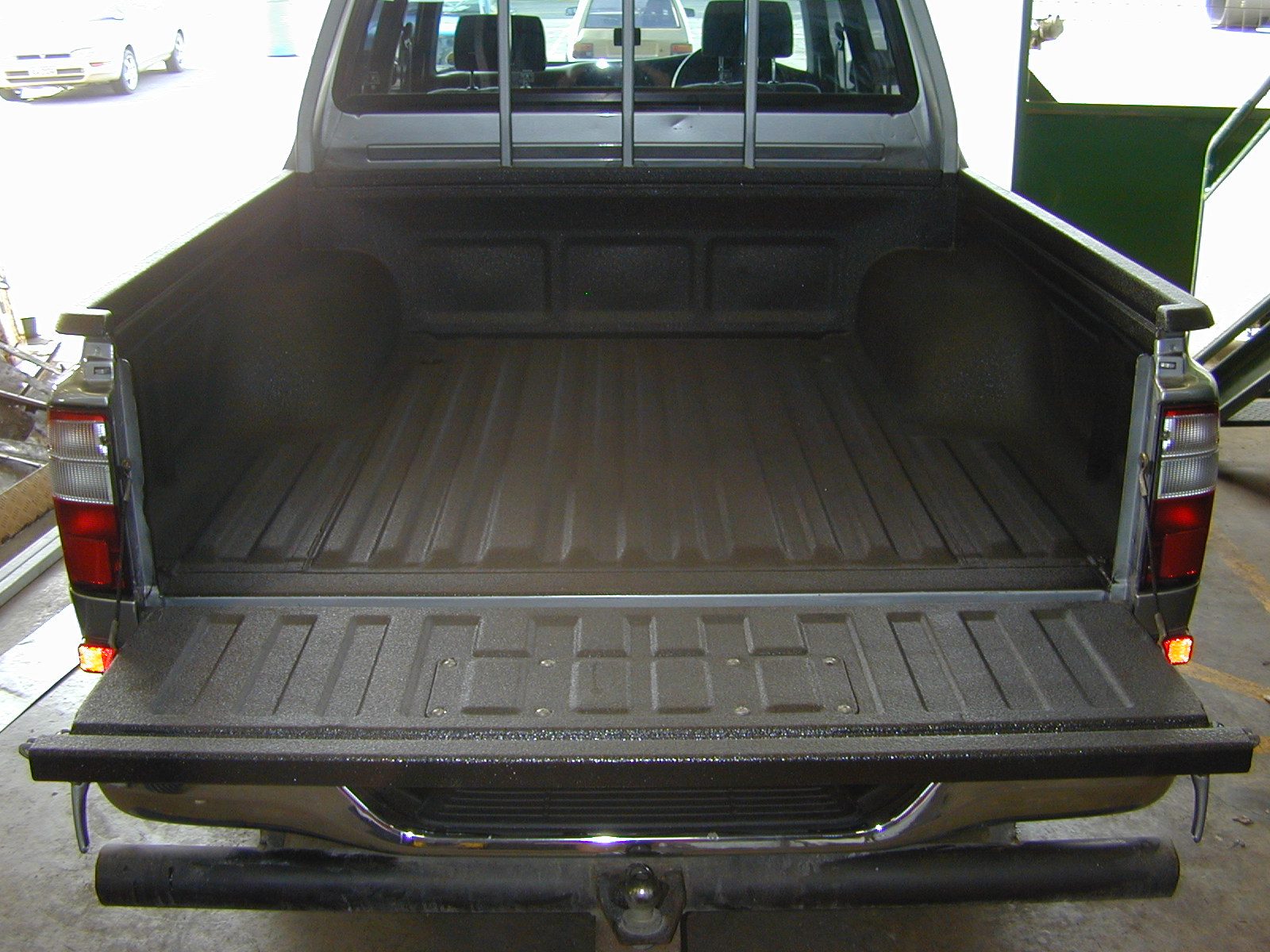
Vehicle work is the application where the topcoat question is most likely to have a real answer, because somebody is looking at these units every day and they carry a company name on the door.
The stack also spans substrates: steel frame, wood decking, and previously coated body panels on the same unit. Primer selection is doing a lot of quiet work.
System: SP3 wire wheel and degrease → 7001 primer on wood decking and painted panels → OR93BL 30–40 mil on frame, crossmembers, underbody; FJ1 60–80 mil on bed floor and deck → aliphatic topcoat where colour match matters.
Other Systems We Have Written
- Wash-down and food plant steel — barrier at 40–60 mil with cleaner chemistry confirmed in advance
- Marine and splash-zone structures — SP6 mandatory, chlorides verified, 60–80 mil, inspection at every tide window
- Concrete curbs, bunds, and equipment pads — CSP 3–5, moisture vapor tested, 7001 primer, 60 mil barrier
- Architectural exposed steel — the case where the aliphatic topcoat is not optional
- Pipe supports and shoes — stripe-coat the contact point where corrosion-under-support hides
- Stairs, grating, and handrail — edge-dense assemblies where thin-film systems starve first
- Cooling tower steel and basins — continuous wetting plus treatment chemistry
Have an Asset With More Than One Substrate?
That is the case where systems thinking pays for itself. Send the inventory and the exposure and we will write the stack.
Request a Written SpecRequest a Written Spec
Tell us about your project and we will follow up with product details, technical data sheets, and pricing.